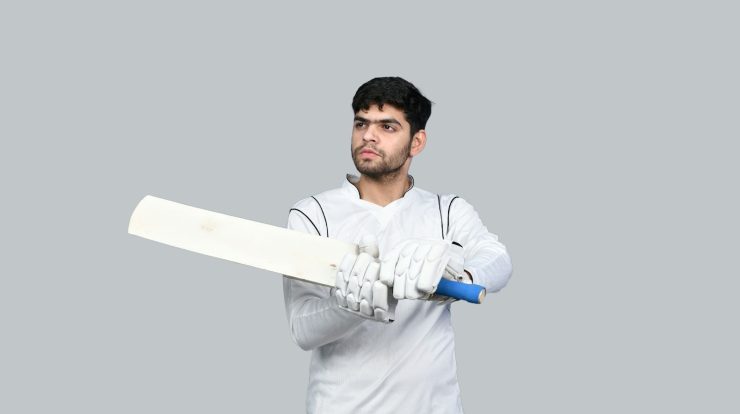
Cricket training no longer looks like endless laps around the boundary rope. Over the past decade, elite teams have shifted away from pure cardio toward strength, mobility, and recovery-based programs. The modern schedule, with year-round formats and constant travel, forced that change. Fitness today is about durability and repeat performance, not mileage.
Strength, Power, and Data Shape Modern Cricket Fitness
Modern cricket fitness programs now prioritize strength and power ahead of high-volume aerobic work. Players now spend more time in gyms building lower-body force, shoulder stability, and core strength. Fans who follow player availability and performance trends, including those active in online cricket betting, often track the same updates through betting apps and match dashboards. On the platform’s Bangladesh site, users see a listed welcome bonus, multiple currency options, 24/7 live chat or email support, and access to Android and iOS.
This shift became clear during recent ICC events. Fast bowlers like Pat Cummins and Jasprit Bumrah maintained pace deep into tournaments without relying on marathon running. Their training emphasized controlled power output and carefully planned effort rather than distance metrics. That approach reduced injury risk across congested schedules.
Key elements replacing traditional cardio-heavy plans:
- Maximal strength and power training
- Short-burst sprint conditioning
- Joint stability and mobility work
- Load monitoring and recovery tracking
Injury Prevention Drives Training Decisions
Injury data pushed cricket away from old conditioning models. Stress fractures, hamstring strains, and shoulder injuries rose during periods of high match density. Sports science teams responded by reducing unnecessary running volume. Strength-based programs now protect joints and soft tissue more effectively, a change also noted in recent coverage of fitness trends shaping modern cricket performance.
The England and Australia systems highlight this shift. Both boards publicly confirmed tighter workload management after injury-heavy seasons. Players like Mark Wood now follow carefully controlled sprint loads rather than traditional distance runs. The result is fewer breakdowns during long tours.
Mobility and Recovery Become Competitive Advantages
Flexibility and recovery now carry as much weight as fitness testing. Daily mobility sessions target hips, ankles, and shoulders to sustain technique under fatigue. Recovery protocols expanded beyond ice baths and scheduled rest days, reflecting themes discussed in the analysis of fitness demands in the new era of cricket.
Indian players offer clear examples. Virat Kohli and Ravindra Jadeja both credit mobility work and recovery planning for maintaining performance across formats. Their routines include stretching sequences, soft tissue work, and monitored rest. These habits extend careers more reliably than cardio alone.
Format-Specific Conditioning Replaces One-Size Fitness
Cricket fitness now adapts directly to format demands. Test players train for repeated days of controlled movement and bowling loads. T20 specialists focus on explosive acceleration and rapid recovery between overs.
This approach became visible during the IPL and other franchise leagues. Teams now individualize conditioning based on roles rather than generic benchmarks. Bowlers rarely complete the same sessions as top-order batters. Personalization reduced fatigue-related errors late in matches.
Technology Redefines Fitness Benchmarks
Wearable technology transformed fitness evaluation. GPS tracking measures sprint distance, acceleration, and recovery time during training and matches. Heart-rate variability now guides rest decisions more than endurance tests.
Cricket boards publicly reference these systems in performance reports. Australia, England, and India all use live tracking during camps. Coaches adjust training volume daily to reduce overload before injuries appear.
Popular data points shaping training loads:
- Sprint count per session
- Acceleration and deceleration forces
- Bowling workload per spell
- Recovery metrics between matches
These metrics support precise preparation rather than outdated running targets.
The Future of Cricket Fitness
Cardio still matters, but it no longer leads the program. Aerobic capacity now supports strength, speed, and recovery rather than dominating training time. This balance reflects how the game is actually played.
As cricket moves toward even busier calendars, fitness standards will continue evolving. Teams that manage bodies as carefully as tactics gain lasting advantages. The modern cricketer trains smarter, not longer, and the results are already visible.